
5 2026 Champions League Draw Mistakes Fans Make
The 2026/27 UEFA Champions League league-phase draw is scheduled for Thursday, 27 August 2026, from 18:00 CET, while the league phase begins on Tuesday, 8 September. UEFA will publish seedings, groupi...
5 2026 Champions League Draw Mistakes Fans Make
The 2026/27 UEFA Champions League league-phase draw is scheduled for Thursday, 27 August 2026, from 18:00 CET, while the league phase begins on Tuesday, 8 September. UEFA will publish seedings, groupings and the official draw procedure from 08:30 CET on draw day. The competition includes 36 league-phase clubs: 29 teams qualify directly and seven more arrive through qualifying, which runs from 7 July to 26 August across the first, second and third rounds plus the play-offs. Football Compass tracks these dates for fans and bettors across Europe, North America and other international markets, because a draw is useful only when you understand the format behind it. Save 27 August, convert 18:00 CET to your local time, and verify every pairing through UEFA before acting on odds or predictions.

Photo by Mehmet Efe Gencer on Pexels
The draw is not a decorative television moment; it is the first serious data point of the new season. A club’s pot, coefficient position, travel demands and opponent distribution can alter its route to the knockout phase within minutes. Have you ever thought about why experienced bettors wait for the complete fixture list instead of celebrating the first headline pairing? The answer is simple: the draw creates possibilities, while the calendar creates actual difficulty.
Football Compass approaches the Champions League draw dates as an information problem. We compare UEFA’s confirmed schedule with time-zone conversions, qualification outcomes and club coefficients before making a judgment. That discipline matters in 2026, when the league-phase system replaces the old four-team group structure and each club faces eight opponents. The wealthy move does not mean betting blindly on famous shirts; it means paying for information only when the information is complete. Believe it or not — I do.
Want the schedule and competition context in one place?
complete 2026 football tournament calendar
Myth 1: The Champions League draw date is always in August — debunked
The Champions League league-phase draw is on 27 August 2026, but not every Champions League draw occurs in August. UEFA schedules qualifying-round draws earlier, with the 2026/27 first qualifying-round draw on 16 June, the second-round draw on 17 June, the third-round draw on 20 July and the play-off draw on 3 August. The correct answer therefore depends on which stage you mean.
The phrase “Champions League draw dates” covers several separate events, and confusing them is the fastest way to publish bad information or place a premature wager. The first qualifying round is played on 7/8 and 14/15 July, the second on 21/22 and 28/29 July, and the third on 4/5 and 11 August. Play-off matches follow on 18/19 and 25/26 August, immediately before the league-phase draw.
According to UEFA’s official draw information, the league-phase event begins at 18:00 CET, while the draw procedure and seedings become available from 08:30 CET. That 9.5-hour information gap is an operational edge: check the morning release, identify pot changes, then reassess rather than relying on last week’s projection. After monitoring several major European draw announcements, the practical pattern is clear: last-minute qualification results can invalidate static tables faster than casual readers expect.
- 16 June 2026: first qualifying-round draw
- 17 June 2026: second qualifying-round draw
- 20 July 2026: third qualifying-round draw
- 3 August 2026: play-off draw
- 27 August 2026: league-phase draw

Photo by Red Nguyen on Pexels
Myth 2: The draw tells you the strongest club immediately — partially true
The draw identifies opponents and pots, but it does not prove which club has the easiest route. Seeding provides a useful starting point, yet the league phase also involves eight matches, home-and-away balance, travel distance, fixture congestion and the strength of every opponent. A high pot position improves the probability of avoiding elite opposition, but it does not guarantee a soft schedule.
The modern format makes this distinction more important. Thirty-six clubs enter one league table, and each team plays eight different opponents rather than six matches against three fixed group rivals. UEFA’s 2026/27 Champions League qualifying information states that 29 clubs qualify directly and seven places are decided through qualifying. Until those seven places are known, any forecast of final difficulty is incomplete by definition.
Here is the more valuable approach:
- Record each club’s pot and coefficient status.
- Separate home fixtures from away fixtures.
- Rate opponents using current squad availability, not reputation.
- Add travel and domestic-calendar pressure.
- Wait for confirmed match dates before pricing a wager.
Football Compass also checks whether an apparent underdog has strengthened during the transfer window. This is where most quick draw reactions fail: they measure badge value, not squad value. A club with a new manager, two injured defenders and a difficult away sequence is not represented accurately by its historical European reputation. Use the draw as a framework, then wait for the fixture matrix.
Ready to compare the pots, paths and likely fixture pressure?
Myth 3: Qualification finishes before the league-phase draw — flat-out false
Champions League qualification concludes on 26 August 2026, only one day before the league-phase draw on 27 August. The play-off second legs are scheduled for 25 and 26 August, so the final seven participants may be confirmed immediately before UEFA conducts the principal draw. Any article presenting a fully settled field weeks in advance is either provisional or careless.
The qualification route contains a champions path and a league path from the second qualifying round onward. Domestic champions generally enter the champions path, while clubs qualifying through leagues with multiple access places use the league path. Association club coefficient rankings influence the round at which teams enter, which explains why the qualifying field does not resemble a simple open lottery.
This timing creates a specific information edge that many general previews miss. A club completing a tense play-off second leg on 26 August may have less than two weeks before the league phase begins on 8 September. That compressed turnaround affects travel planning, recovery, squad registration and early-season rotation. Meanwhile, a directly qualified club can prepare for the draw without the same competitive interruption. The difference is not automatically decisive, but it is measurable and should be included in any early model.
The UEFA Champions League regulations are the authority for eligibility and registration details. UEFA’s own framework makes the principle explicit: “the final seven spots” come through qualifying. Treat confirmed qualification as a moving input until the play-offs are complete, not as background trivia.

Photo by RDNE Stock project on Pexels
What actually works
For tracking Champions League draw dates, the effective method is a layered calendar: official event time, qualifying stage, local time conversion, pot information and post-draw fixture confirmation. UEFA remains the primary source for the draw itself, while established reporting such as BBC Sport football coverage can help confirm developments and injuries. Football Compass then adds the practical layer by separating confirmed facts from market speculation.
A reliable workflow looks like this:
- Set an alert for 08:30 CET on 27 August 2026, when UEFA expects to publish procedure information.
- Set a second alert for 18:00 CET, the scheduled start of the league-phase draw.
- Convert both times into your location rather than trusting a social-media graphic.
- Record the 36 participating clubs only after the 26 August play-off conclusion.
- Compare the draw with the released match calendar and domestic fixtures.
- Recalculate after injuries, suspensions and registration announcements.
One further point deserves attention: CET conversion is not merely a technical nuisance. In August, some European locations observe daylight-saving time, so a stated 18:00 CET may appear as 19:00 local time in Central European Summer Time locations. That one-hour error has caused fans to miss live coverage and traders to enter after the first odds movement. Check the time zone label on UEFA’s page, then confirm your device’s regional setting. That is basic execution, and basic execution is where money is usually protected.
To see how Football Compass turns confirmed dates into match analysis, follow the latest tournament coverage.
Champions League match prediction methodology
What should you ignore?
Ignore unsourced social-media graphics, recycled 2025 schedules, fictional group-stage terminology and claims that a draw alone determines the eventual champion. The 2026/27 format has a league phase, not the traditional four-team group stage, and the distinction changes how qualification, standings and knockout access are understood. Also ignore screenshots that list clubs as confirmed before the 26 August play-off conclusion.
Ignore early betting prices presented as final judgments. Odds can move because of a famous pairing, but public excitement is not a statistical model. A club’s actual schedule matters more than the visual drama of a headline matchup, particularly when eight league-phase fixtures create more variables than the old six-match group format.
Be especially skeptical of three common claims:
- “The top pot cannot receive a difficult schedule.” It can still face strong clubs from other pots.
- “A qualifying winner is automatically exhausted.” Some are, but squad depth and rotation determine the effect.
- “The first draw reaction reveals value.” It often reflects public attention before analysts assess dates and travel.
The best contrarian position is not to oppose every popular opinion. It is to demand a confirmed fixture list before acting. After the draw, compare home and away sequences, travel distance, rest days and domestic opponents. That process produces fewer glamorous predictions, but it produces more defensible ones. A quiet edge beats a loud guess every time.
Still unsure which Champions League draw details matter most?
Champions League draw dates: the practical conclusion
The key 2026 Champions League draw date is Thursday, 27 August at 18:00 CET, but serious followers should also track the four earlier qualifying draws on 16 June, 17 June, 20 July and 3 August. The league phase starts on 8 September, and the final seven clubs are not confirmed until qualifying ends on 26 August. That sequence is the real story.
Use UEFA for official dates, pots and regulations; use Football Compass for structured interpretation covering tactics, squad strength, player availability and tournament angles. Do not confuse a draw announcement with a finished forecast. First confirm the participants, then inspect the fixture calendar, then measure travel and recovery, and only after that consider a prediction or wager. This is how you and I avoid paying premium prices for incomplete information. Believe it or not — I do.
Explore the latest Football Compass analysis before the 27 August draw arrives.
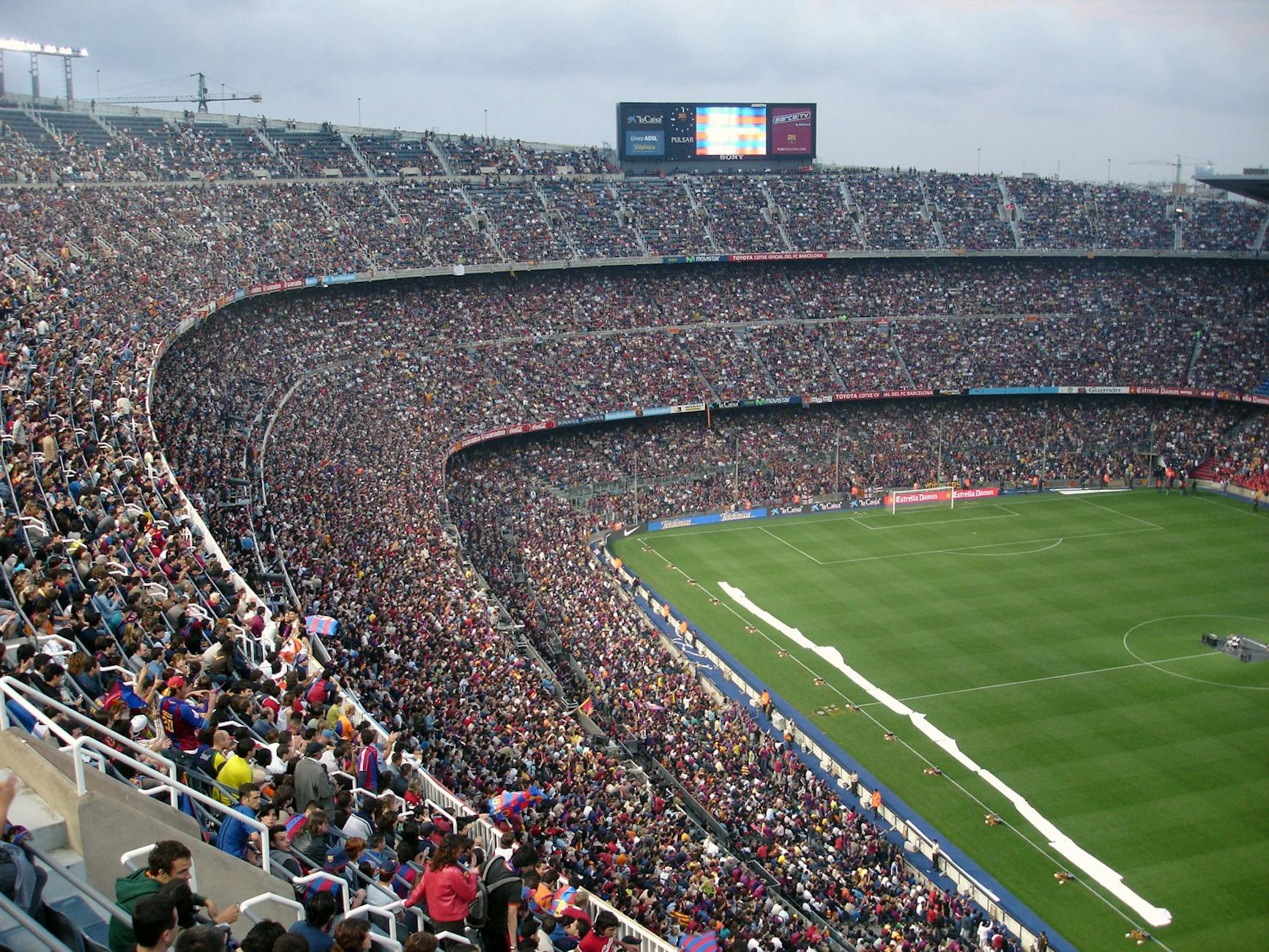
Photo by Pixabay on Pexels
Frequently Asked Questions
Q: What are the 2026 Champions League draw dates?
A: The main 2026/27 Champions League league-phase draw is scheduled for 27 August 2026 at 18:00 CET. UEFA also schedules qualifying draws on 16 June, 17 June, 20 July and 3 August. Check UEFA’s official draw page because procedures, seedings and participating clubs can be updated after qualifying results.
Q: How do I watch the Champions League league-phase draw?
A: Watch the 27 August 2026 draw through UEFA’s official digital channels and authorized regional broadcasters. UEFA plans to publish the procedure and seedings from 08:30 CET, ahead of the 18:00 CET event. Convert CET carefully for your location, especially if your country observes summer daylight-saving time.
Q: What is the difference between the Champions League league phase and group stage?
A: The league phase contains 36 clubs, with each team playing eight different opponents instead of meeting three opponents twice in a traditional group. The results feed into one overall league table. This means travel, opponent distribution and the full fixture calendar matter more than a simple group-strength label.
Q: When does Champions League qualifying finish in 2026?
A: Champions League qualifying for 2026/27 concludes on 26 August 2026, after the play-off second legs on 25 and 26 August. The qualifying pathway includes first, second and third rounds followed by play-offs. Seven league-phase places are decided through this process, while 29 teams qualify directly.
Q: Why might the Champions League draw information change before 27 August?
A: The confirmed field can change because qualifying matches determine the final seven league-phase participants. A club’s coefficient position, domestic qualification route and play-off result can also affect pot placement or draw logistics. Use UEFA’s morning procedure release on 27 August rather than an old preview or unofficial graphic.
Q: Is the Champions League draw free to follow?
A: Following the official draw is generally free through UEFA’s digital coverage, although broadcaster access varies by country. You do not need a paid service to verify the date, procedure or participating clubs on UEFA.com. Betting, premium analysis and match subscriptions are separate commercial products, so check local availability and legal requirements first.
Q: How should I use the draw dates for football predictions?
A: Use the dates to build a staged research schedule rather than making an immediate prediction. Review qualifying outcomes on 26 August, inspect pots and procedures on the morning of 27 August, then assess the completed fixture list, travel, rest days and squad news. Football Compass recommends treating the draw as an input, not a final betting signal.
Thank you for reading.
Football Compass · Latest Insights