7 2026 World Cup Mistakes Fans Make
The 2026 football world cup will be the largest FIFA World Cup ever, and Football Compass tracks it for fans who want sharper match, travel, and wagering decisions across the United States, Canada, an...
7 2026 World Cup Mistakes Fans Make
The 2026 football world cup will be the largest FIFA World Cup ever, and Football Compass tracks it for fans who want sharper match, travel, and wagering decisions across the United States, Canada, and Mexico. The tournament expands to 48 teams, runs across 16 host cities, and ends with the 2026 FIFA World Cup final at MetLife Stadium in New Jersey on July 19, 2026. Los Angeles will stage eight matches at SoFi Stadium, Atlanta will host major matches at Mercedes-Benz Stadium, and FIFA Fan Festival events will turn cities like Los Angeles into 39-day football hubs. The mistake is assuming the World Cup is only about match tickets; the better strategy is comparing cities, schedules, fan zones, transport, and team form before committing money. Use verified FIFA information, monitor local host city updates, and treat every travel or betting decision as a timing problem.
Most 2026 football world cup articles sell the same comforting idea: pick a famous city, buy a ticket, show up, and let the tournament magic happen. That is exactly where fans lose money, time, and leverage. Have you ever thought about why Los Angeles can feel like the perfect choice until you compare hotel distance, SoFi Stadium access, Fan Festival timing, and match-day pricing? Or why Atlanta’s football culture may offer better value than a more obvious coastal trip? The smarter approach is not hype; it is comparison. Football Compass covers the 2026 World Cup through predictions, team tactics, player stats, and tournament coverage, but the practical edge is knowing when the popular choice is not the optimal one.
If you want sharper 2026 World Cup planning before prices move, start with deeper tournament coverage.
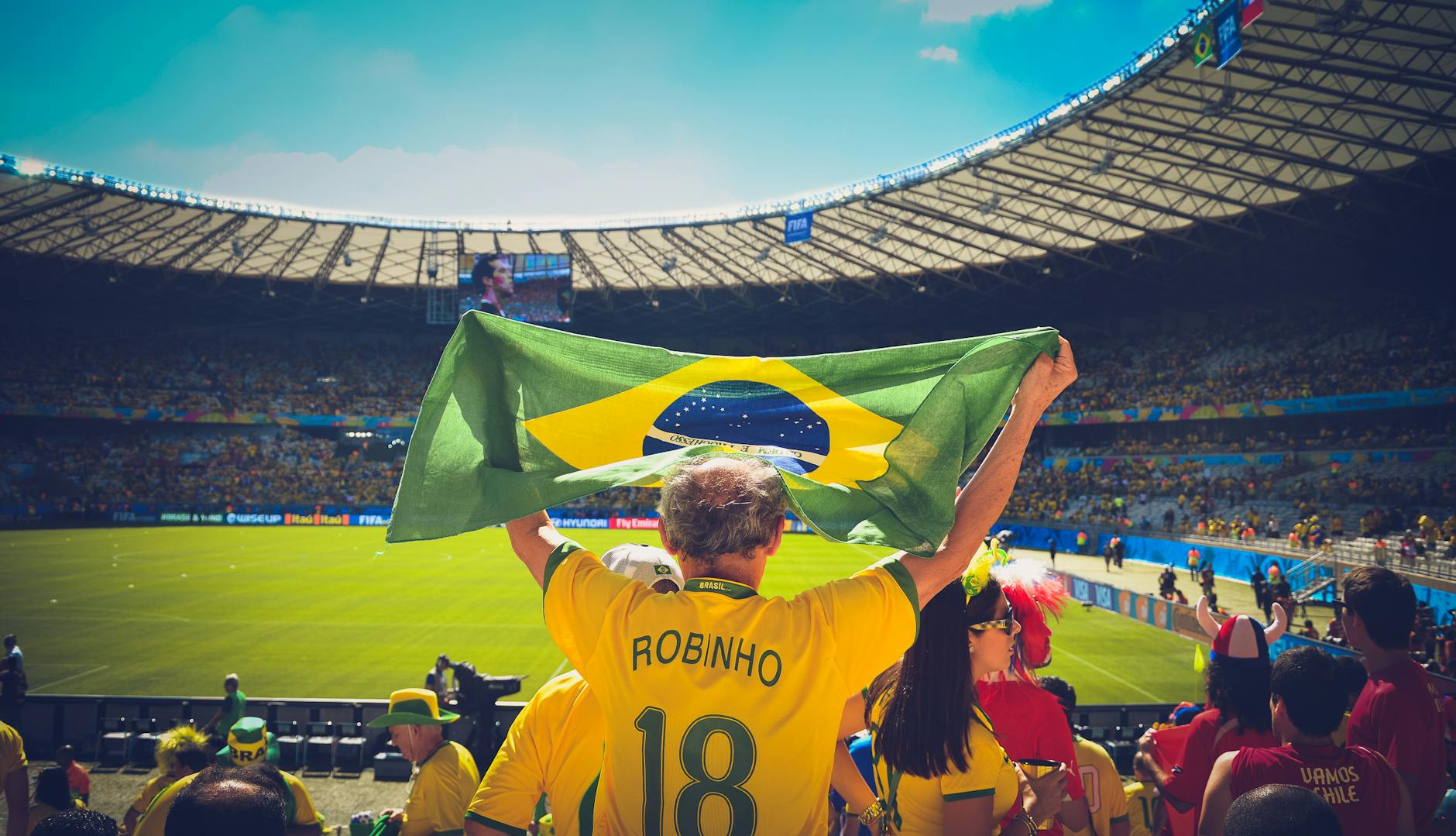
Photo by Caio on Pexels
The Quick Comparison
| Decision Area | Common Mistake | Better 2026 World Cup Move |
|---|---|---|
| Host city | Choosing only by fame | Compare match count, transport, fan zones, and hotel supply |
| Tickets | Waiting for “perfect” fixtures | Track phases, resale rules, and team path probabilities |
| Fan experience | Ignoring free events | Use FIFA Fan Festival and official fan zones strategically |
| Betting research | Following national bias | Compare tactics, injuries, rest days, and venue conditions |
| Travel | Booking around one match | Build a 3-day or 5-day city plan to reduce cost per experience |
The 2026 FIFA World Cup is not a normal tournament with a larger guest list. According to FIFA, the 2026 edition introduces 48 teams and 104 matches, which changes everything from group-stage variance to travel demand. A fan who treats Mexico City, Los Angeles, Atlanta, Toronto, and New York New Jersey as interchangeable host stops is missing the core point: each city has a different tournament economy. Los Angeles promotes eight matches, a FIFA Fan Festival at the LA Memorial Coliseum, and official fan zones across Los Angeles County. Atlanta markets itself as a football city of the South, with Mercedes-Benz Stadium as its central stage.
That difference matters for both spectators and bettors. A city with strong public programming may deliver better value even without a premium ticket, while a venue with difficult access can punish anyone who books accommodation only by map distance. Football Compass readers should also think about match context: a group match involving the United States Men’s National Team at SoFi Stadium on June 12, 2026 will not price, move, or feel like a neutral fixture between two lower-demand qualifiers. For background on format and the final, Wikipedia tracks the 2026 FIFA World Cup final at MetLife Stadium, but the real planning edge comes from understanding the cities before the knockout bracket is known. For more tournament context, see our [Internal Link: 2026 World Cup format guide].
Round 1: Which Host City Myth Hurts Planning?
The biggest host city myth is that the most famous destination automatically gives the best 2026 football world cup experience. Los Angeles, Atlanta, and New York New Jersey all offer major moments, but value depends on match timing, accommodation, transport, fan zones, and whether you want stadium access or citywide atmosphere.
Los Angeles is the obvious case. It has SoFi Stadium, eight matches, the United States Men’s National Team opening match on June 12, and a 39-day celebration calendar promoted through local World Cup organizers. That sounds unbeatable until you ask a practical question: why would a fan stay near the wrong part of Los Angeles County and then spend the savings on rideshares, delays, and missed fan programming? The LA Memorial Coliseum at Exposition Park is tied to FIFA Fan Festival programming, while SoFi Stadium sits in Inglewood. Those are not the same trip, especially for visitors unfamiliar with Los Angeles traffic.
Atlanta offers a different proposition. Mercedes-Benz Stadium is connected to a downtown sports and entertainment district, and the city has an established football identity through Atlanta United and major soccer crowds. The reference to “soccer city of the South” is not just branding; it signals a fan culture that may reward visitors who want atmosphere without chasing only celebrity venues. A contrarian planning tip: if your budget cannot stretch to knockout-stage tickets, choose a host city with strong free public programming and multiple watch-party options rather than spending everything on one upper-tier seat. That is often the better memory-per-dollar play. To compare city options, check our [Internal Link: 2026 World Cup host city breakdown].
Photo by Caio on Pexels
For city-by-city predictions and fan strategy, keep your research current before booking.
Round 2: Why Are Tickets Only Half the Problem?
Tickets are only half the problem because the 2026 World Cup experience is shaped by everything around the match: arrival time, stadium rules, fan zones, hotel location, and schedule density. A cheaper ticket can become expensive if transport, food, and lodging are poorly planned.
Here is the uncomfortable truth: many fans will obsess over face-value ticket categories but ignore the larger cost stack. The 2026 football world cup will create demand spikes around specific dates, especially when host nations, elite teams, or knockout matches are involved. Los Angeles hosting the United States opener is a clear example; demand will likely cluster around June 12, but the surrounding FIFA Fan Festival window from June 11 to June 14 also affects hotels, local movement, and entertainment prices. Have you ever thought about why a non-ticketed fan might still face inflated costs? Because the citywide event, not only the stadium, drives demand.
A practical checklist beats emotional buying:
- Confirm whether the match is group stage, knockout, semifinal, or final.
- Map the stadium separately from fan festival and official fan zone locations.
- Check public transport and event-day restrictions before choosing a hotel.
- Estimate meals, local travel, and merchandise before judging ticket affordability.
- Track team paths, because a nation’s likely bracket route can change demand early.
Another underreported edge: fan zones can function as a hedge. If your ticket plan fails, a well-chosen city such as Los Angeles or Atlanta may still deliver live screenings, music, food, and community atmosphere. FIFA’s host city model encourages broader participation, and official local sites provide “know before you go” information that is more useful than generic travel blogs. The skeptical view is simple: a stadium ticket is not a plan; it is one component inside a volatile event budget. Football Compass readers should build a Plan A, Plan B, and watch-party fallback before prices rise.
Round 3: What Do Bettors and Analysts Usually Overrate?
Bettors and casual analysts usually overrate team reputation and underrate logistics, rest days, tactical matchups, and venue context. In a 48-team 2026 World Cup, more matches mean more variance, more rotation, and more opportunities for disciplined research to beat emotional narratives.
This is where the gambling angle requires discipline. Football Compass is built for fans following predictions, team tactics, player stats, and tournament coverage, but no responsible analyst should pretend that badge prestige is enough. A famous national team traveling between different climate zones may face different physical demands than a less glamorous team with a stable route and favorable rest pattern. The expanded 48-team format also increases the chance that markets overreact to early mismatches, especially in group-stage games where goal difference, rotation, and qualification incentives vary by round. As the International Centre for Sports Studies frequently demonstrates through football data research, player workload and squad composition can materially affect performance trends.
The common claim is that World Cup betting is about “knowing football.” That is too vague to be useful. A sharper model weighs:
- Tactical style against opponent weakness, not just FIFA ranking.
- Rest days between fixtures and travel distance.
- Whether a team needs a draw, a win, or goal difference.
- Injury news from verified federation sources.
- Venue surface, crowd composition, and local climate.
- Market timing, because public teams often shorten too far.

Photo by RDNE Stock project on Pexels
The practitioner-level insight many previews skip is timing. Early outright odds can be attractive before squads are announced, but match odds often become more efficient closer to kickoff once lineups and injuries are public. That does not mean late betting is always better; it means your edge must match the market. If you are betting a tactical angle, early price may matter. If you are betting a lineup-sensitive prop, patience may matter more. For responsible analysis frameworks, see our [Internal Link: football betting research checklist].
For data-led World Cup predictions instead of reputation-driven picks, explore the latest analysis.
The Final Score & Who Should Pick What?
The best 2026 World Cup choice depends on your goal: stadium access, fan culture, betting research, or budget control. Los Angeles suits fans chasing iconic events, Atlanta suits atmosphere-focused travelers, and data-driven bettors should prioritize match context over national-team reputation.
The refined position is not that one host city, ticket type, or prediction model is universally superior. Los Angeles has scale, SoFi Stadium, and a major FIFA Fan Festival footprint. Atlanta has Mercedes-Benz Stadium, Southern football culture, and a compact sports identity. New York New Jersey has the 2026 FIFA World Cup final at MetLife Stadium on July 19, 2026, which creates unmatched prestige but also likely the highest pressure on price and availability. If you are a first-time World Cup traveler, pick a city with multiple experiences beyond the stadium. If you are a bettor, pick information quality over fan emotion. If you are a neutral fan, pick flexibility.
The seven mistakes to avoid are straightforward but costly:
- Choosing a host city only because it is famous.
- Treating a match ticket as a complete travel plan.
- Ignoring official fan zones and FIFA Fan Festival events.
- Booking hotels without checking stadium and festival distance.
- Betting on reputation instead of tactics and rest.
- Waiting too long for perfect fixtures.
- Forgetting that the 48-team format changes variance.

Photo by K on Pexels
Have you ever thought about why the smartest fan may not be the one with the most expensive seat? It is because the 2026 football world cup rewards preparation more than impulse. Football Compass will continue tracking match predictions, team tactics, player stats, and tournament coverage so fans can compare cities, teams, and markets with a cooler head. The final answer is contrarian but practical: do not chase the biggest headline; chase the best combination of access, information, atmosphere, and price.
Ready to plan with a sharper 2026 World Cup edge?
Frequently Asked Questions
Q: What is the 2026 football world cup?
A: The 2026 football world cup is the FIFA World Cup hosted by the United States, Canada, and Mexico with 48 teams and 104 matches. It is the largest edition in tournament history and will use 16 host cities across North America. The final is scheduled for July 19, 2026, at MetLife Stadium in New Jersey.
Q: How to plan a 2026 World Cup trip?
A: Start by choosing your priority: match tickets, fan festivals, host city culture, or budget control. Then compare stadium location, hotel prices, public transport, and official fan zone schedules before booking flights. For Los Angeles, separate SoFi Stadium planning from LA Memorial Coliseum festival planning because they are different travel zones.
Q: What is the difference between a FIFA Fan Festival and a match ticket?
A: A match ticket gets you into a specific stadium fixture, while a FIFA Fan Festival offers public viewing, entertainment, food, music, and fan activities. Los Angeles has promoted a FIFA Fan Festival at the LA Memorial Coliseum during the tournament period. Fans without tickets can still experience the World Cup through official fan zones and community events.
Q: Is Los Angeles or Atlanta better for the 2026 World Cup?
A: Los Angeles is better for iconic scale and eight hosted matches, while Atlanta may be better for a concentrated football atmosphere. Los Angeles offers SoFi Stadium and 39 days of fan celebrations, but logistics can be demanding. Atlanta’s Mercedes-Benz Stadium and downtown sports culture may suit fans who value atmosphere and easier movement.
Q: Why do 2026 World Cup betting picks fail?
A: Many 2026 World Cup betting picks fail because they rely on team reputation instead of tactics, rest, injuries, and market timing. The expanded 48-team format creates more variance and more chances for rotation. Bettors should compare squad depth, travel demands, lineup news, and motivation before placing any wager.
Q: How much will attending the 2026 World Cup cost?
A: The total cost will vary widely, but fans should budget for tickets, accommodation, flights, local transport, food, and event-day premiums. A single match can become expensive if the hotel is far from the stadium or fan festival zone. The safest approach is to price a full 3-day stay before buying any ticket.
Thank you for reading.
Football Compass · Latest Insights