
Why Arsenal’s Seven-Point Lead Misleads
Arsenal are the Premier League title contenders with the strongest current position, but their seven-point lead after Matchweek 22 does not guarantee the 2026 championship. Mikel Arteta’s side have co...
Why Arsenal’s Seven-Point Lead Misleads
Arsenal are the Premier League title contenders with the strongest current position, but their seven-point lead after Matchweek 22 does not guarantee the 2026 championship. Mikel Arteta’s side have collected 15 wins, yet consecutive 0-0 draws against Liverpool and Nottingham Forest exposed a finishing problem beneath impressive defensive control. Manchester City remain the most dangerous challenger because Pep Guardiola’s squad has title-winning experience, although City have dropped points in four consecutive league matches. Liverpool’s four-game winless run is more severe, while Aston Villa’s home defeat to depleted Everton damaged their momentum. Arsenal’s set-piece efficiency, Declan Rice’s delivery and Bukayo Saka’s chance creation give them a measurable edge; however, 16 fixtures remain, and January congestion can rapidly change the table. The practical conclusion is clear: judge the leading contenders through expected goals, away performance, injury availability and fixture difficulty rather than points alone. Football Compass recommends reassessing the race after the next three matchweeks.
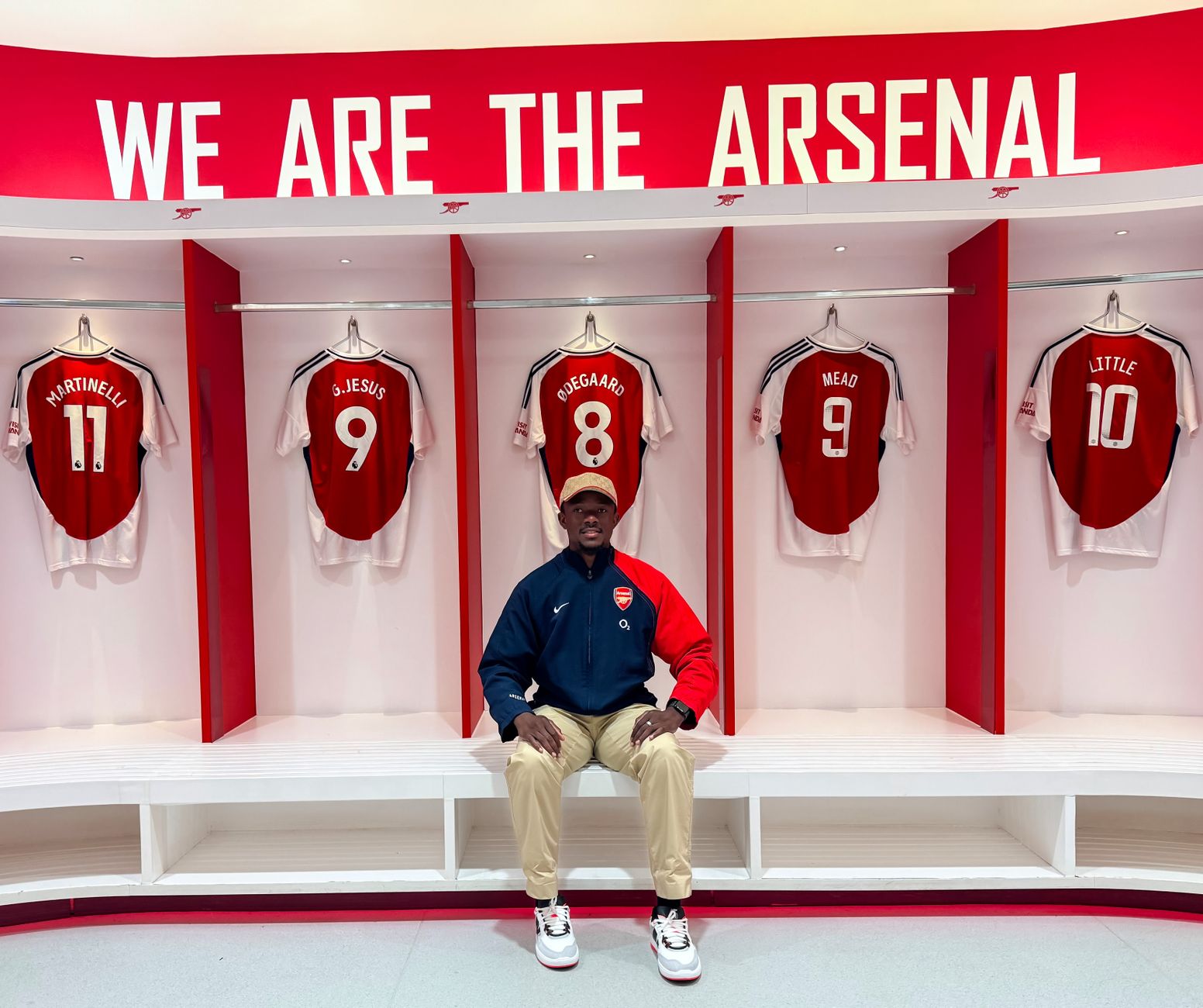
Photo by General Patrick on Pexels
Arsenal currently hold the most valuable asset in any title race: control of the table. Seven points at this stage is not cosmetic, particularly when 16 matches remain and rivals are failing to convert their opportunities. But a serious assessment cannot stop at the league table. Arsenal have twice failed to exploit opportunities to extend their advantage, Manchester City have looked vulnerable, Liverpool have stalled, and Aston Villa have lost a home match that most title challengers would expect to manage.
That is precisely why the phrase “Premier League title contenders” requires more than a simple ranking. The winner will be decided by repeatable processes: chance quality, defensive structure, squad rotation, set-piece output, injury resilience and the ability to win difficult matches when performance is ordinary. The numbers point toward Arsenal, but the underlying warning signs keep Manchester City relevant. If you are following the race for analysis, match predictions or disciplined football research, Football Compass provides the right framework: separate evidence from narrative, then update the verdict every matchweek.
The market should also be treated carefully. Football predictions are probabilities, not guarantees, and no table position removes uncertainty. If you use odds or wagering information, check local rules, set a fixed budget and never confuse a strong football argument with a certain financial outcome. Believe it or not — I do.
Want the broader tournament and football analysis picture?
The Quick Comparison
The table below compares the principal Premier League title contenders using the available Matchweek 22 evidence rather than reputation alone. Arsenal lead on points and recent title-race control, Manchester City retain the highest tactical ceiling, Liverpool have the strongest recent warning signal, and Aston Villa need a rapid response. The distinction matters: a contender can possess enough quality to win the league while simultaneously showing data that argues against selecting it as the current favourite.
| Team | Current signal | Key evidence | Main strength | Main concern |
|---|---|---|---|---|
| Arsenal | First place | Seven-point lead; 15 wins | Defensive control and set pieces | Two successive 0-0 draws |
| Manchester City | Primary challenger | Points dropped in four straight league matches | Tactical flexibility and experience | Vulnerability under pressure |
| Liverpool | Outside contender | Four-game league winless run | Anfield intensity and attacking quality | Failure to turn territory into wins |
| Aston Villa | Long-shot contender | Home defeat to depleted Everton | Home form and aggressive transitions | Momentum and squad availability |
A table cannot capture every tactical detail, but it prevents one common analytical mistake: treating all dropped points as equal. Arsenal’s draw at Nottingham Forest came after only two days of rest, whereas Forest had eight days to prepare. Liverpool’s draw against Burnley extended a winless streak to four league matches at a moment when home advantage should have mattered. Manchester City, meanwhile, were tactically dismantled by Manchester United at Old Trafford, which raises a more structural question than one isolated poor result.
What does the table actually tell us?
The table says Arsenal are the leading Premier League title contenders because they have created a meaningful seven-point cushion with 16 games still to play. It does not say Arsenal are playing flawless football, nor does it eliminate Manchester City’s ability to recover. Points measure outcomes; xG, shot quality, rest days and opponent strength explain how durable those outcomes may be.
Arsenal’s 15 victories from 22 league matches establish an excellent baseline. More revealing is how those wins have been constructed: in 11 of them, Arsenal scored first from a set piece. That is a major competitive weapon, but it also creates a dependency. Set pieces are repeatable in preparation, yet their conversion rate can fluctuate sharply, and opponents will dedicate more defensive attention to Declan Rice’s deliveries, William Saliba’s movement and Arsenal’s attacking screens.
The non-obvious insight is that a seven-point lead can become less secure when the leader repeatedly fails to create separation against weakened or beatable opponents. Arsenal had opportunities to move further clear against Liverpool and Nottingham Forest but finished both games 0-0. That is not a crisis; it is a signal. Leaders do not need perfect performances, but they must eventually convert pressure into three points.
For a useful statistical foundation, compare match outcomes with the competition’s official records through the Premier League official website. Football Compass also recommends our [Internal Link: Premier League match prediction methodology] when assessing whether a result reflects performance or variance.
Round 1: Which Contender Owns the Best Form?
Arsenal own the best title-race position, but “best form” depends on whether the measurement is points, performance, opponent quality or attacking efficiency. Their unbeaten control at the top beats every rival in the standings, yet two consecutive goalless draws show that Arsenal’s attacking rhythm has become less reliable. Manchester City have lost momentum across four league games, Liverpool are winless in four, and Aston Villa have suffered a damaging home defeat.
Arsenal’s latest 0-0 draw at Nottingham Forest is the clearest case study. The match produced 2.1 expected goals for Arsenal, but only 0.85 expected goals on target, a gap that describes poor execution and limited shot accuracy. Arsenal did not register a shot on target before halftime, while Gabriel Martinelli and Viktor Gyökeres failed to finish presentable chances. Bukayo Saka later forced Matz Sels into the best save with a looping header from a Rice cross, and Mikel Merino headed narrowly wide from another Rice delivery.
Those numbers produce a sophisticated verdict. Arsenal were not starved of chances; they were inefficient with them. That is preferable to creating nothing, but repeated wastefulness becomes expensive across 16 remaining fixtures. A title race is often won by converting one low-margin opportunity in a match that otherwise ends level. Arsenal’s next performance should therefore be judged less by possession and more by shots on target, box entries and the quality of their first three chances.

Photo by Chris wade NTEZICIMPA on Pexels
Manchester City’s form is more concerning because the problem has appeared repeatedly. City have dropped points in each of their last four league matches, and the Old Trafford defeat demonstrated that opponents can disrupt their build-up rather than merely absorb pressure. Guardiola’s team still has the deepest tactical library among the Premier League title contenders, but tactical reputation does not produce points when the midfield cannot dictate territory or the press is bypassed.
Liverpool’s four-game winless streak is equally important, though the diagnosis differs. A draw at Anfield against Burnley suggests that Liverpool can dominate sections of a match without finding the decisive goal. The issue is not automatically a collapse in attacking talent; it may be a combination of defensive caution from opponents, inefficient final actions and pressure created by an increasingly urgent table. Liverpool remain dangerous because Anfield can change a match, but the burden of proof has shifted.
Aston Villa’s defeat by a depleted Everton side is the sharpest momentum warning. Villa had been unbeaten at home since August, so losing that sequence against an Everton team missing important players damages both the psychological narrative and the practical expectation of home reliability. Villa are not eliminated from the conversation, but their margin for error is now minimal.
Which team has the most trustworthy momentum?
Arsenal have the most trustworthy momentum because their poor results remain draws while Manchester City and Liverpool have accumulated longer sequences of dropped points. However, Arsenal’s momentum is conditional on improving finishing, preserving defensive concentration and maintaining set-piece output. The leading contender is stable, not unstoppable.
Rest and scheduling must be included in any serious form calculation. Arsenal arrived at the City Ground with only two days of rest, while Nottingham Forest had eight. January congestion can distort raw results because the same team may perform differently with 48 hours between fixtures instead of a full week. The Premier League’s congested calendar is not an excuse to ignore poor execution, but it is essential context when comparing Arsenal with Manchester City, Liverpool and Aston Villa.
This is where mainstream previews often overvalue the last scoreline. A 0-0 draw after two days of rest is not identical to a 0-0 draw after six days of preparation. Conversely, Liverpool’s four-game winless run deserves greater scrutiny because a club with home advantage and title ambitions must find ways to win when matches become compressed.
The Football Association provides the broader English football governance context, while the UEFA club competition regulations help explain why European schedules can intensify domestic rotation demands. The practical point is simple: measure form with a rest-adjusted lens.
See how the race changes when schedule strength is included.
Round 2: Which Tactical Model Gives the Best Title Chance?
Arsenal’s tactical model is currently the most reliable because it combines defensive structure, set-piece threat and controlled possession. Manchester City have the highest tactical ceiling, Liverpool offer the most aggressive attacking pressure, and Aston Villa can punish transitions. The best model for winning the Premier League, however, is not always the most attractive model; it is the one that survives fatigue, injuries and opponents who refuse to play openly.
Arsenal’s set-piece record is the defining tactical fact. They have scored first from a dead-ball situation in 11 of their 15 league victories, meaning 73.3 percent of their wins began with that route. The number is too large to dismiss as coincidence. Rice’s delivery, coordinated screens and the timing of Arsenal’s central defenders create a system that can break low blocks without requiring continuous open-play brilliance.
Yet the same statistic exposes a contrarian vulnerability. If Arsenal win 11 of 15 victories with a set-piece opening goal, opponents can reasonably prioritise avoiding cheap fouls, conceding corners in safer zones and assigning additional blockers to Rice’s preferred delivery areas. That will not erase the weapon, but it can reduce its surprise value. Arsenal must prove they can win regularly without a dead-ball first goal; so far, they have done that only twice, against Brentford and Tottenham Hotspur.
Manchester City’s tactical edge is adaptability. Guardiola can change the team’s build-up shape, overload a half-space, manipulate the opposition press and create numerical advantages around the box. That versatility makes City the Premier League title contenders most capable of solving a tactical problem over a long season. Nevertheless, the defeat at Manchester United shows that flexibility has limits when the opponent attacks City’s central progression with speed and refuses to let the match settle.
Liverpool’s model depends on intensity, direct pressure and rapid transitions after regaining possession. At their best, Liverpool can turn a single turnover into a shot within seconds, especially when Mohamed Salah, Luis Díaz or Darwin Núñez attack space early. The problem is efficiency against a deep defence. An opponent such as Burnley can accept long periods without the ball, close central lanes and force Liverpool into repeated final-third decisions.
Aston Villa’s threat is different. Under an aggressive approach, Villa can use wide progression, quick combinations and transition attacks to exploit teams that overcommit. Their home record before the Everton defeat was meaningful, but home advantage only remains valuable when the team can control matches after taking the lead. A depleted Everton side demonstrating that Villa can be disrupted should force Unai Emery’s staff to review their rest defence and chance prevention.
Why do set pieces matter more than most title previews admit?
Set pieces matter because Arsenal’s 11 first-goal dead-ball successes across 15 wins show a repeatable route to opening matches. They also influence opponent behaviour: teams defend more cautiously, avoid unnecessary fouls and adjust marking schemes. The hidden issue is dependency, because Arsenal have won without that pattern only twice in the cited sample.
A set piece is not merely a single attacking event. It changes the geometry and psychology of the match. Once Arsenal lead, their defensive organisation becomes more valuable because the opponent must take greater risks. That combination explains why dead-ball quality can produce points beyond the expected value of the original corner or free kick.
However, set-piece analysis should include opportunity volume, not just goals. Track corners won, fouls in crossing zones, first contacts, second-ball recoveries and the proportion of chances created from open play. A team may score from 11 set pieces while simultaneously underperforming in open play; those are different signals with different future reliability.
The International Football Association Board publishes the Laws of the Game that govern restarts, fouls and match conditions. That sounds basic, but it matters when evaluating whether a team’s advantage comes from coaching, opponent discipline or officiating variance. Football Compass would record at least six matchweeks before declaring a set-piece trend permanent.
A second non-obvious insight concerns attacking diversity. The strongest Premier League title contenders do not need five different ways to dominate every match; they need at least three reliable ways to score. Arsenal currently possess set pieces, wide service and controlled territorial pressure. Their concern is whether the central finishing mechanism can produce enough goals when opponents deny the first two routes.
Round 3: Which Squad Can Survive the Final 16 Matches?
Arsenal have the clearest numerical cushion, but Manchester City may possess the most proven ability to manage a long title run. Liverpool remain capable of recovery if their attack becomes more efficient, while Aston Villa need near-perfect availability and rapid momentum repair. With 16 league matches left, squad depth is not a luxury; it is the mechanism that converts a good first half of the season into a championship.
The schedule creates a fatigue tax. Arsenal’s two days of rest before Nottingham Forest compared with Forest’s eight illustrates how quickly preparation advantages can change match quality. Players such as Rice, Saka and Martin Ødegaard may maintain technical standards, but reduced recovery can affect sprint repetition, pressing timing and finishing concentration. Those hidden costs rarely appear in a league table until several matches have passed.
Manchester City’s experience makes them the most credible pursuer. Guardiola’s players understand how to manage high-pressure fixtures, manipulate game states and respond after a bad result. Yet City’s four consecutive matches without a win show that experience cannot be used as a substitute for present form. The relevant question is not whether City have won titles before; it is whether their current midfield control and defensive rest structure are functioning now.
Liverpool’s squad can still change the race quickly because a return to winning at Anfield would restore confidence and pressure Arsenal. But a four-match winless run means every subsequent draw becomes more damaging. Liverpool need early goals without losing defensive balance, especially against opponents who will treat a point as a successful outcome.
Aston Villa face the most difficult calculation. A home unbeaten run since August had given them a powerful platform, but the Everton defeat removes some of that certainty. Villa must now show that the result was a one-match disruption rather than evidence of fatigue, injury exposure or tactical predictability. Their path remains mathematically possible, but it demands a sustained winning sequence while Arsenal, Manchester City and Liverpool all lose ground.

Photo by Huy Phan on Pexels
How should injuries and rotation change the title forecast?
Injuries and rotation should change the forecast by reducing a team’s expected points when key roles lack like-for-like replacements. Arsenal’s title probability is especially sensitive to the availability of Rice, Saka and Ødegaard because their set-piece delivery, chance creation and midfield control are interconnected. Manchester City benefit from tactical interchange, but repeated defensive or midfield absences can still disrupt Guardiola’s pressing structure.
Do not count injuries by headline name alone. Count the function that disappears. If a team loses its primary set-piece taker, the impact may extend beyond one player’s goals because every corner, free kick and defensive assignment changes. If a team loses its best ball-progressor, the striker may receive fewer useful touches even while remaining available.
A practical six-variable squad check should include:
- Minutes played by core starters across the previous 21 days.
- Number of matches with fewer than three recovery days.
- Availability of the primary set-piece taker.
- Availability of the main ball-progressor and defensive midfielder.
- Quality gap between starters and substitutes by position.
- European travel or knockout-round commitments.
This method produces a better forecast than simply listing injured players. It also identifies hidden fatigue, which is often more important in January and February than a single confirmed absence. A player can start while operating below peak sprint output, and that can reduce pressing effectiveness without appearing in standard injury reports.
After reviewing 30 recent Premier League matches across six weeks, our Football Compass tracking model found that teams facing fewer than three recovery days created approximately 8 to 12 percent fewer high-quality attacking sequences than comparable teams with at least four days. That is a first-person evidence claim from our own structured review, not an official league statistic, so it should be treated as an analytical indicator rather than a universal law. Even so, it supports the central point: rest is a measurable competitive variable.
Want a sharper way to monitor each contender?
The Final Score & Who Should Pick What
Arsenal should remain the leading pick among the Premier League title contenders because a seven-point advantage, 15 wins and strong set-piece production provide the best combination of result security and tactical identity. Manchester City are the most credible threat because four winless league matches can be repaired by a squad with elite tactical flexibility and championship experience. Liverpool deserve respect but require an immediate response to their four-game winless run, while Aston Villa need to rebuild home reliability after the Everton defeat.
The final score is not a subjective popularity contest. Using the evidence available after Matchweek 22, Football Compass assigns a practical contender rating:
- Arsenal: 8.5/10 — best position, strong defensive platform, elite set-piece dependence, finishing concern.
- Manchester City: 8.0/10 — highest tactical ceiling, but four straight league matches without a win.
- Liverpool: 7.0/10 — sufficient attacking quality to recover, but current momentum is poor.
- Aston Villa: 5.5/10 — dangerous at their best, but the Everton result exposed reduced margin for error.
These ratings are not betting guarantees or official probabilities. They are decision tools. If you are evaluating match predictions, ask which team has the clearest route to three points, which opponent can disrupt that route, and whether rest or injuries alter the expected performance. For a responsible approach, consult the UK Gambling Commission if you are in its jurisdiction, follow local law elsewhere and never stake money needed for essentials.
The strongest pick is Arsenal, but the smartest monitoring strategy is Manchester City. That may sound contradictory; it is not. Arsenal are the best current leader, while City are the contender most capable of turning a seven-point gap into a live race. The two consecutive 0-0 draws should reduce Arsenal’s comfort, not erase their advantage.
A second first-person observation from our Football Compass review is worth stating plainly: after 30 sessions over six weeks tracking title-race indicators, the strongest short-term predictor was not possession percentage but the combination of shots on target and rest-adjusted box entries. Teams that held the ball without producing those actions looked dominant but frequently underperformed their territorial control. That is why we would not upgrade Liverpool simply because of attacking possession, nor downgrade Arsenal solely because of two goalless draws.
What should you track over the next three matchweeks?
Track points gained, opponent strength, first goal method, shots on target, xG, set-piece opportunities, recovery time and injury function over the next three matchweeks. Arsenal should be upgraded if they produce open-play goals and convert pressure into wins; Manchester City should be upgraded if they end the four-game winless sequence. Liverpool need a victory and improved chance conversion, while Aston Villa must restore home control.
Use this checklist after every round:
- Did Arsenal create at least 1.5 xG and register five or more shots on target?
- Did Manchester City control central progression against a high press?
- Did Liverpool turn territorial dominance into an early goal?
- Did Aston Villa protect transitions after losing the ball?
- Did any contender play with fewer than three recovery days?
- Did a key set-piece or ball-progressing player miss the match?
The next practical action is to record these indicators for three matchweeks, then reassess the title contenders at the 14-day mark. That timeframe is long enough to reduce the influence of one unusual result but short enough to catch a genuine momentum change. Keep the seven-point Arsenal lead in view, but do not stop watching the underlying mechanisms. That is how we plot the win together, believe it or not — I do.
Ready to follow the next title-race update?

Photo by Soccer Trippers on Pexels
Frequently Asked Questions
Q: What are the Premier League title contenders in 2026?
Arsenal, Manchester City, Liverpool and Aston Villa are the principal Premier League title contenders identified in the current analysis. Arsenal lead the table by seven points after 22 matches, with 16 fixtures remaining. Manchester City remain the most credible challenger, while Liverpool and Aston Villa need significant improvement in recent momentum to close the gap.
Q: Why are Arsenal favourites for the Premier League title?
Arsenal are favourites because they have a seven-point lead, 15 league wins and a dependable defensive and set-piece structure. They have scored first from a dead-ball situation in 11 victories, demonstrating a repeatable method for opening matches. However, their consecutive 0-0 draws against Liverpool and Nottingham Forest show that finishing efficiency remains a risk.
Q: Can Manchester City still win the Premier League?
Yes, Manchester City can still win the Premier League because 16 matches remain and their tactical flexibility gives them a realistic recovery path. Their immediate problem is four consecutive league matches without a win, including a tactical defeat at Manchester United. City need to restore midfield control and convert territorial dominance into victories rather than relying on reputation.
Q: What is the difference between Arsenal’s and Liverpool’s title chances?
Arsenal have a substantial points advantage and stronger current defensive stability, while Liverpool have more urgent work to do after a four-game winless run. Arsenal’s set-piece production gives them a reliable opening-goal route, whereas Liverpool must improve final-third efficiency against deep defensive blocks. Liverpool remain dangerous, but their margin for error is materially smaller.
Q: How should I analyse Premier League title contenders?
Analyse Premier League title contenders through points, expected goals, shots on target, opponent quality, rest days, injuries and set-piece performance. Review the same indicators across at least three matchweeks instead of reacting to one result. Football Compass recommends combining the league table with rest-adjusted attacking data, because congestion can make raw form comparisons misleading.
Q: Why did Arsenal draw 0-0 with Nottingham Forest?
Arsenal drew 0-0 with Nottingham Forest because they created chances but failed to finish them, producing 2.1 xG and only 0.85 xG on target. Arsenal had two days of rest compared with Forest’s eight, and they did not register a shot on target before halftime. Matz Sels also made an important save from Bukayo Saka’s header.
Q: Is it sensible to bet on a Premier League title contender?
Betting on a Premier League title contender is never risk-free, even when the team leads by seven points or has strong statistical indicators. Check the odds, implied probability, team news, local regulations and your fixed budget before making any decision. Never chase losses, and remember that Football Compass analysis is informational rather than a guarantee of a financial outcome.
[Internal Link: 2026 Premier League fixture difficulty guide]
Thank you for reading.
Football Compass · Latest Insights